Sunday, October 17, 2010

DRESS UP FUN: WHAT WILL YOU BE?

Some fun and simple costume ideas:

Artist -- Smock, beret, paint brushes

Jazz Musician - - Black pants, long sleeved jacket or sweater, a musical instrument, and a handkerchief.

Chef - - Apron, hat, mixing bowl and spoon

Deep Sea Fisherman - - Raincoat, boots, and hat; net or a metal bucket

Construction worker - Jeans, long sleeved shirt, hard hat, tool belt

Highland dancer - Tights, plaid skirt, plaid scarf long (to run from one shoulder to one hip) and a beret.

Saturday, October 16, 2010

Fun & Easy Art Project


What you need:

  • 1 canvas (stretched is best) - smaller size
  • 1 canvas (stretched is best) - same or larger for adult use
  • 1 roll of painter's masking tape
  • Arylic paints or similar paints suitable and appropriate for the age of the child (avoid oils as they take too long to dry and the child does not get to enjoy the painting as soon)
  • Plastic sheeting (to protect paint surface)
  • Old shirt or painter's smock
  • Brushes (2-3 sizes)
  • Paper or foam plate to hold dabs of paint
Prepare area for painting (an old table, floor areas, etc.), cover with plastic. Take canvas and place tape across each canvas to create 'panes' by laying 1-4 horizontal and vertical strips. They can be spaced evenly or irregularly placed.


Encourage the child to think about what colors they want to use. Show them how to create a 'wash' ( at the top edge use straight undiluted paint), drag the brush down (dry) until the paint thins on the canvas. It is alright if the undercolor shows through. Softly blend down the heavy strong paint creating a slight washed out look. Show them how using one strong color produces a vibrant look. If using arcylics, you can also show how a heavy coating adds texture and dimension as well. Caution: it will take a little longer to dry.


As sections dry, second coats of highlighting can be added (dots, stripes, flowers, etc.). Some children may whizz through in 20 minutes and others take 2 hours to complete. Let the child's inner creativity and artistic vision drive the experience. As much as you may desparately want to "correct" something resist the urge. Demonstrate instead and let them copy the technique or idea if they desire.


Wait a while for the work to dry and ta-da!!!! Original art!!!!

READING TO SOMEONE SPECIAL


The best thing parents, grandparents, or caregivers can do for a child is to create a positive and regular habit of shared reading.
Start reading to the child when they are young, allow them to love the sound of the loving voice (0-3), then allow them to hear the proper use of the language (3-8), then allow them to ask questions and interact with the images or objects in the book (3-10), and then later talk about the issues raised in the text (5-10).

Some books are best simply to enjoy them, some to learn from, and some to make one think. Allow you and your child to experience all of those in many positive situations.


The safest way to introduce the harsh real world is through books shared in the safety zone of a lap or seated close to someone who is trusted and loving. There, children can learn some people do not ask 'right', not everyone is kind, and sometimes this happan that make you sad. In that safety zone of care, the child can learn a lesson about their own humanity and the value of a family or a safety net of those who care.


The world may not be rosy and always sunny, but there is always warmth and the light of love, when a child and an adult who cares spend time reading together.

Thursday, July 15, 2010

GREAT BOOK SHARES VALUES FOR KIDS


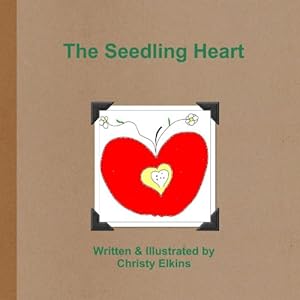
Author Christy Elkins, The Seedling Heart, is available via Amazon.

A tale based on the the three virtues of faith hope and love. A fun lesson teaching children the importance of sharing the best part of themselves.

Sunday, July 11, 2010

FLOWER POEM


The flower is yellow;
what a handsome fellow.
His bed is green;
One of the best ever seen.
The ground is brown;
even when it's upside down.
Summer flowers are fine;
But these sunflowers are mine!

CREATE A STORY


One early summer morning, a small brown bunny was wandering around the first porch of a house when....
What happens next?
Email your story to marilynahudson@yahoo.com with "Bunny's Summer Adventure" on the subject line. Include your name (children first name only), age, and location.

Monday, May 24, 2010

Friday, March 19, 2010

RULES FOR WORKING WITH KIDS

Rule #4: Make the spaces inviting and colorful; change displays often to keep it fresh. SHown here is Ralph Ellison Library (Oklahoma City) ca 2000.

RULES FOR WORKING WITH KIDS

Rule #3 - Engage the imagination or no learning ever takes place. Use the senses: have the children see, feel, experience....through the imagination. This leads to other learning and a desire to know more..... I used a large vinyal cutout of a dinosaur footprint (actual size) and then had children estimate how many people could stand on the footprint, etc. They competed in dinosaur roaring contests as we learned about vocal cords, sound waves, and wondered if dinos really were related to birds might they chirp really loud????

RULES FOR WORKING WITH KIDS

Rule #2: ALWAYS maintain your dignity. [Note, all children shown are now adults. I, however, have not aged one single day. A miracle it is.]

RULES FOR WORKING WITH KIDS

Rule # 1: Make literary connections whenever possible. Halloween? "A Wrinkle in Time", "The Lion, the Witch and the Wardrobe", etc.

BOARDS BY MARILYN: Welcome Lynn Moroney

Here author-storyteller Lynn Moroney stands in front of a board dedicated to her visit to a school. Also pictured are Jeannie Johnson and Marilyn A. Hudson.

BOARDS BY MARILYN: Winter Wonders

Tissue paper has so many uses, wrap a gift, or tassel to create dimensional pine boughs or scrunch to create snow covered ground.

BOARDS BY MARILYN: SPIN A TALE FOR OCTOBER FUN

A black trash bag, filled with trash, created the spider and the web. The letter were a type with push pins attached to the back - very handy.

BOARDS BY MARILYN: BACK TO SCHOOL/OFF TO SUMMER


A Marilyn A. Hudson created bulletin board. Note the curls of hair; the sun in the sky will remain in place for several months of board displays.

Friday, March 12, 2010

SCU HOSTS FAMILY FRIENDLY STORYTELLING IN APRIL


'TELL IT AGAIN!' FAMILY STORYTELLING EVENT
"Tell It Again!", family storytelling event, Saturday April 17, 2010, 1p.m. to 3 p.m.- at Southwestern Christian University (Patrick Building), Bethany, Oklahoma will feature three well known Oklahoma author-storytellers. Molly Lemmons, Kathryn Thurman and Jim Etter.

Molly Lemmons, aka"Molly Lou Belle with Tales to Tell!", of Mustang, is well known and loved around the state of Oklahoma and beyond for her charming stories of the way things used to be. Humorous, touching, and totally enjoyable she will entertain any audience. She is also an award winning author of several books based on a popular newspaper column and on personal remembrances of life: "Kind of Heart", a novel "The Passing of Paradise", and a book for young girls, "Pure as the Driven Snow."

Kathryn Thurman, of Midwest City, has been sharing tales, directing plays, and working with community groups for many years. She is the author of several books and led numerous workshops on the use sound equipment, character development, and stage presence for emerging storytellers. She often weaves an Indian flute into her stories and lends a moment of awe and magic to tales from across time. Funny and often fast paced she adds many unique stylings to keep every audience listening.

Jim Marion Etter, Bethany, is a retired, award-winning reporter for The Daily Oklahoman whose offbeat, folksy writing about his home state has earned him the reputation as "Oklahoma's master country storyteller." A writer of both fiction and nonfiction, he's the author of five books and a contributing author of four others, and has written for numerous magazines including Persimmon Hill and Western Horsemen. A native of the small Muskogee County town of Oktaha, he now lives in Oklahoma City. He's also been a newspaper and television reporter in Laredo, Texas - "El Charro Flaco" - and has served as a military journalist and translator in Latin America. His books have captured a nearly forgotten Oklahoma history and his stories provide a glimpse into the byways and people of some interesting places. His books include:Thunder in the Heartland: Parables from Oklahoma, It's A Dirty Shame:101 Unforgettable Places in Oklahoma,and others.

Serving as MC will be Marilyn A. Hudson, another Oklahoma storyteller , who also writes the "Oklahoma Tellers" blog keeping people informed about tellers, events, and history of storytelling in Oklahoma.

The event is free and open to the public. Call 405-789-7661x3451 or marilynahudson@yahoo.com for information or to reserve a space for a group. Southwestern Christian University is located near NW 39th Expressway and Rockwell in Bethany.


The event is a jointly sponsored by the SCU Professional Services and University Library Deaprtments.

Saturday, November 7, 2009

AUTHOR-ARTIST-STORYTELLER


This is the new Periwinkle (Shanna Covington) doing her "thang" for some Snyder, TX pre-schoolers. (major handfull to keep short spanned attentions) She is a story teller extraordinaire, great author, better than most as an illustrator! She has several books in the works of her own in the works and some for other clients.

Her mother is author, Tonya Shook, she publishes books or gets them print ready for publishing on CreateSpace, POD (with royalty checks paid from Amazon sales.) . Contact: shookum@pldi.net


Saturday, May 30, 2009

Book Review: The Leaf

“As part of the Bona Fide tradition, it was customary for children to exchange bookmarks as their Christmas gifts to one another. Reading was a way of life in Bellager. Each bookmark given was to remain in one book as it’s companion and protector, preventing a reader from committing the terrible act of folding pages.”

- from “The Leaf“, by Jo_Ann Rodriguez

A joy to read, this book was filled with imagination, wonder, and innocence. A perfect book to read to your child at bedtime or story time.

The setting is the land of Bellager; Bella the Spanish word for beautiful and ager, the Latin word for land. It is the home of rare trees, unexpected places, and hidden secrets. Leaf collecting was a tradition in this land of unique trees.

The story focuses on young David Earl, an inquisitive dreamer who dared to take his grandfathers ’stories’ as true even though all others believed them to be fables.

His journey’s takes him through many adventures both great and small, good and evil. Along the way, David meets elves, and fairies, and Kings, and Princes on his way to the Great Tree of Wisdom from which he hopes to gain the Leaf that would restore peace to the land of Bellager.

Imaginations are sparked in this children/young adult novel. Jo-Ann Rodriguez has captured her daydreams and recorded them for telling or reading. I especially like emphasis and high importance of lifelong reading, a valuable instruction for children.

I enjoy this book. As I write this review, I can imagine the faces of children as their mother or father reads this story to them or as they read it for themselves.

A very inspiring children/young adult novel, recommended highly.

  • Paperback: 152 pages
  • Publisher: AuthorHouse (March 25, 2009)
  • Language: English
  • ISBN-10: 1438941242
  • ISBN-13: 978-1438941240

Tuesday, May 12, 2009

LUCAS AND HIS LONG LOOPY LACES


Ada, Oklahoma author Krystal Russell announces a delightful new children's work Lucas and His Long Loopy Laces,
"Lucas doesn't tie his shoes. That's why his laces are full of loops! Join Lucas on a long, loopy adventure that shows the power of your imagination. You'll meet his unexpected companions who can't help but get tangled up in his laces as he travels from under the sea to outer space and back home again!"
For ages 3 and up. 44 pages, rhyming. 8.5" x 8.5".
Available: Talltail Publishing & Amazon.com

Tall Tails Publishing House
mailto:Houseinfo@talltailspublishing.com
http://www.talltailspublishing.com/
tel: 580-559-3561

Sunday, May 10, 2009

Book Review: The Little Pot (Dawn Stephens)

The Little Pot by Dawn Stephens

Book Summary: In the Little Pot, a potter lovingly forms a new pot and declares that he has important plans for his creation. The little pot wonders what its purpose will be. Will it be used to hold important documents? Great riches? Beautiful flowers? As various expectations prove wrong, the little pot is cautioned to wait and see.

Gradually the little pot comes to realize that its creator knows best and has the most wonderful of all uses planned for it.


Warm illustrations beautifully enhance this charming allegory about patience and fulfillment. A gentle reference to God will appeal to people of every faith.

Book Review - What a beautiful children’s book with a wonderful storyline teaching children a lesson many grown-ups would do well to learn.

Beautifully illustrated, this story centers around a little pot that is continually being emptied, poured out, and refilled.

Great word picture for opening a child’s mind to the concept of ‘giving oneself away‘.

Children will identify with the feelings of loss each time the little pot is emptied and rejoice as it becomes filled again.

A great story time book that can be read and reread again to help children learn to look beyond what they may loose and rejoice the hope of what God plans for them.


Author: Dawn Stephens
Illustrator: Dawn Stephens
Reading level: Ages 9-12
Hardcover: 40 pages
Publisher: bPlus Books; 2009 edition (March 16, 2009)

Reviewed by:
Gina Hendrix
Vessel Project Book Reviewer


Tuesday, April 14, 2009

Re-discover Classic Fairy Tales

Explore this wonderful site and listen to classic fairy tales. Fairy tales are very important to the healthy development of a child. They encourage the imagination, they provide a common language for cultural literacy and development, they provide safe teaching-learning gateways, and are means for learning the common morale lessons of human history.

Thursday, March 26, 2009

CPSIA AND CHILDREN'S BOOKS

For those of you following the new Consumer Product Safety Improvement Act (designed to decrease the levels of lead and phthalates in products intended for children 12 years of age or younger) and the interpretation by the Consumer Product Safety Commission (CPSC) that the legislation covers books:
• As you know, on January 30th, the Consumer Product Safety Commission (CPSC) released an announcement to the Federal Register staying implementation of the Consumer Product Safety Improvement Act (CPSIA) until February 10, 2010.
• On March 24, US Representative Jeff Fortenberry (R-Neb) introduced legislation to amend the CPSIA to exempt ordinary books from the lead limits within the bill. This legislation specifically exempts books and would ensure that children continue to have access to safe, educational and entertaining reading materials.

For more information, visit the Consumer Product Safety Commission webpage on the Consumer Product Safety Improvement Act or the ALA Washington Office’s District Dispatch website.

Tuesday, February 17, 2009

Meet A Fairy - Catch A Dream! Border Queen Book Festival March 7, Comanche, Ok


Noted Oklahoma auhtor Tonya Shook writes "I would like to give an invitation to attend the second Border Queen Book Festival in Comanche, OK. on Saturday, March 7th from 10 a.m. until 3 p.m. We have 50 authors from 6 different states attending. There is no cost, it is a free event where you may visit with an author, publisher, or illustrator of both children's and adult books of every genre. This is a growing event giving teachers an opportunity for Personal Development Certification Points if your schools allow such. We will be at the Asbury Complex, 410 S. 2nd Street, a beautiful facility to accommodate a large crowd. Lunch can be purchased on the site for $6. Our event is an all-volunteer effort that supports Literacy Awareness in our corner of the pasture in Oklahoma. Come take advantage of this educational experience. " --Tonya Holmes Shook, Director/Coordinator of the Border Queen Book Festival
MEDIA RELEASE Border Queen Book Festival 2009 Oklahoma’s second Border Queen Book Festival (BQBF) will be held Saturday, March 7, 2009, from 10 - 3 PM in the new Asbury Complex at 410 South 2nd Street in Comanche, OK. The City of Comanche expects statewide attendance with added attractions scheduled for 2009, a Chautauqua being one of them on Friday evening, March 6th. We are expecting 50 authors, publishers and illustrators to be in attendance for BQBF 2009. Food will be available again at the Asbury Complex at noon. Free admission offers opportunity to meet authors and purchase autographed books. To kick off the 2009 festival a Chautauqua type program free of charge to the public on Friday night will co-feature Dr. Steve Kern, pastor of Olivet Baptist Church in Oklahoma City, and his wife, Sally, State Representative of House District 84, at the Asbury Complex from 6:30 – 7:45 PM. Dr. Kern will express his views on the Evolution vs. Creation debate and Sally will speak on Freedom of Expression and Teaching the Controversy in Public Schools, a bill she has authored. Kern’s book, “No Other Gods - The Biblical Creation Worldview,” written from a compilation of lectures given over a twenty year period, supports his program position and will be for sale that evening as well as at the book festival the next day. Information from science, archeology, history, and scripture are presented as evidence for faith based in Creation. Added attractions for the second BQBF include a local essay contest for middle school children sponsored by Southern Oklahoma Arts Council with recognition and prize money to be given to winners; an entertaining and award winning percussion band performance is slated; the highly acclaimed guest speakers will be on Friday night before the book festival Saturday. After the Friday night program Comanche’s own Cowboy Opry on Rodeo Drive will offer live entertainment for a donation fee at 8 p.m. Fat Boys Pizza and Comanche Arts and Antiques across the street will remain open late for business for Comanche’s guests. A block of rooms has been reserved at the Holiday Inn, eight miles north of Comanche in Duncan, #580-252-1500. A new Hampton Inn has just been opened and you might like to check this out as well and the newly renovated Comanche Motel, 580-439-8898. Any questions can be directed to Tonya Holmes Shook at shookum@pldi.net . Border Queen Book Festival
Tonya concludes, "This is my daughter who will be at the Border Queen Book Festival in Comanche, OK March 6-7 as Periwinkle VonSkittlebaum, a real live fairy godmother. She wants to go to the schools again and interact with the children by telling them a story about Odd-Leigh, a little fairy with flaming red hair who was ostracized for being different. The story celebrates differences and tells the children it is all right to be different and that people matter no matter what wrapping they are in. All this is volunteer effort done for the sake of literacy awareness in our corner of the pasture in Oklahoma. Tonya Holmes Shook, Director/Coordinator "
A DREAMERS DREAM

Make believe is for dreamers.
But where do dreamers go?
They hide inside themselves at night
Dreaming impossible goals.

Dreaming is for dreamers.
But dreamers most always cry.
The ruin of dreams that reason pulls
Reflects in a dreamer’s eye.

Their mind is always touring.
A dream around each bend.
A dreamer’s heart weighs heaviest when
A dream is at its end.

Dreamers go on dreaming.
Though logic’s here to stay.
A dreamer’s dream is that when they wake,
All logics gone away.

I wish to be a dreamer.
Dreamer’s dreams fulfill.
Logic has just one way out...
But a dreamer never will!

Shanna Covington-alias
“Periwinkle VonSkittlebaum”
2-7-1983

Tuesday, January 27, 2009

Frog Pond. Marilyn A. Hudson

A frog sat by a pond and sang out mighty low
Burump- Burump - Burump
all day long the frogs sang so -
Burump - Burump - Burump

A fish swam all around a big, blue pond
Gulp -gulp- gulp
all the day long the fish swan so
Gulp-gulp-gulp

A bee flew all around the pond and this is what he said.
Buzz- buzz -buzz
all the day long the bee flew around so
Buzz- buzz- buzz


A bird flew over the pond and this is what she said…..
Chirp -chirp -chirp
all day long the bird flew around singing
Chirp- chirp -chrip

All around - al around - all around the pond they sang

What Storytellers Wish They Could Tell Schools

BOOKENDS: What Storytellers Wish They Could Tell You

1. Know why it is that you want to expose your students to the art of storytelling. As you clearly define what role you hope oral tradition will play in your class or school life you will also be helping the performer to know how to craft the visit for mutual satisfaction. “We thought a storyteller would be fun!” is a good reason but far better are: “ We were studying various art forms and wanted the oral arts represented” , “We’ve been studying folklore and myth and thought the students hearing stories communicated in a traditional and ancient manner would add to the lessons,” or “ We thought that since children learn in so many diverse ways that a storyteller –bringing an auditory component – would bring an excellent dimension to the event.”
2. Clear with your building administrator to make sure that there are no problems with your plans and you have their support for bringing an enriching program to your class/library/school.
3. Place on school calendar. Get the information out early enough so that everyone gets to learn of the event, that information goes out on any mailings, or send-home packets.
4. Know how much you can spend to bring a professional teller into your setting. Some storytellers have firm price packages. Others may be more flexible, especially if they are not full time tellers. What might you use to barter a price with a storyteller? Can you guarantee a spot on the local cable TV show, a big write-up in the newspaper, or a secondary storytelling job in the same area?
5. Make sure that everything is placed in writing using a standard contract format that defines who, what, when, where, and how much. Any special additions/restrictions/etc. will need to be added to this and both parties sign and receive copies of the signed contract.
6. Plan for problems. Illnesses, missed flights, sudden death or loss of funding can all happen without warning. Remain flexible and even the worst case scenario will be much easier to handle.
7. Check with the administration about any special forms/clearances required by your system or administrative offices before a performer can a) visit your school and b) receive their check. Make sure your performer gets a copy of this in a timely manner so that payment is not unnecessarily delayed.
8. Advertise the visit among students, teachers, staff, and parents.
9. Prepare the groundwork for a wonderful experience by a) explaining your goal for the event, b) explaining storytelling, c) sharing audience etiquette with students and other staff.
10. Call or write close to the date to confirm all arrangements.
11. Provide clear directions to location.
12. Have someone on hand to a) greet (“Yes, you have the right place” b) direct (“The library is here, the restrooms here, etc.) and c) assist your guest storyteller (“would you like some water, a chair?”).
13. Make any necessary announcements prior to introduction. These may include last minute notices to staff and teachers, requests that pagers be turned off, and reminders about proper behavior.
14. Introduce your guest to the audience. If you are uncomfortable with introductions, ask the artist ahead of time to provide you with a script to use as you introduce them.
15. Thank your guest performer at the conclusion of the event. Even if the event was not all you hoped for it is a good role model for students and staff.
16. Follow up with a written thank you to the guest artist. Include copies of any PR material that may have appeared in newsletters, local papers, etc.

Just as the visiting artist should be expected to impress you with his or her level of professionalism….the teacher, administrator, librarian, or school district should also set out to impress the visiting artist that they are a place worth the artist’s time and effort.
READING, LANGUAGE ARTS
PROBLEM
Our school library is not able to fund the type of books necessary to encourage reading among my students.
RESPONSE
Make Your Class A Star
Objective:
· Partner with public library
· Foster parent-child use of the public library
· Motivate readers through a reward.

PROBLEM
Community children are not reading
RESPONSE
The Reading Club (I.E, “The Chapters Café”, “Curious George Bunch”, “Eager Readers”, etc.)


INFORMATION SKILLS
Our school library is outdated and unable to meet the demands of our older students.
RESPONSE
“Roaming Research” in which school/class and local library collaborate on the research instruction process with a local reference librarian or children’s or young adult librarian.

THE ARTS
PROBLEM
I’d like to encourage the art among my students, but we don’t have any real enthusiasm for it at my school.
RESPONSE
Contact the local library about displaying Student art projects to provide a means of promoting student artists.
Team with the local library for an afterschool or Saturday artists-in-residence type program combining funds and library space.
Unite to promote drama, storytelling, writing, and music.

SOCIAL STUDIES
PROBLEM
My school lacks a real connection to its community. I’d like to have them come to appreciate the heritage that exists.
RESPONSE
Local History Alive!; An Oral History Project, planned in cooperation with the local library.
This provides older students with an opportunity to learn valuable communication skills (interviewing), writing skills, gain new awareness of local and oral history.
The public library could donate space for interviews, promote it, help with recording, and perhaps add it to their permanent local history collection.
Also, consider a panel discussion at the public library to address local politics and government.

EMERGENT LITERACY
Problem:
Too many young children are entering Kindergarten without necessary skills and preparation to succeed in school.
Response:
FAMILY FRIENDLY LIBRARIES
COME READ WITH ME
Success by 6

PARENT EMPOWERMENT
The Metropolitan Library System’s adoption of the philosophy of a family friendly and parent empowering public library is one example of a means by which the library partners with area community agencies to provide valid information referrals for parents, offers developmentally appropriate programs for infants, toddlers, preschoolers, and elementary age children.
Working in conjunction with other community agencies – such as the “Success By Six” program of United Way, the Child Advocacy Institute, Reach Out and Read, and many others – the library system has made helping children succeed a priority. Recognizing that all current research indicates that the years leading up to formal schooling are crucial for success while in school, the library is targeting county children ages birth to three years of age. The goal: educate parents about the vital role they play as a child’s first teacher, encourage and model reading with children, help place books into the hands of both parents and children.


.

Let Me Tell You A Story. M. Hudson

LET ME TELL YOU A STORY

“Once upon a time…”
Remember the wonder those words could create when you were a child? With just a few simple words, transport you into a new, marvelous place filled with mystery, laughter, and knowledge. That same feeling can be found if you are a storyteller.
The humor of the human experience has always held a significant place of honor but many are discovering the varied world of the story. This ancient art form, once relegated to children’s programs in schools or libraries, is being rediscovered by adults as a marvelous way to communicate, to share their experiences in the workplace, and to assist in the process of physical and emotional healing.
· Kylia uses stories to excite her sixth grade science class. Using a “rest of the story” approach she lures students into discovering the adventure behind major discoveries.

· Pat has been opening her board meetings with stories that put the human face on the company. Problems are shared, behaviors corrected, not through accusations, but through stories that invite participation in problem solving.
· Darla addresses her church , not through sermons or lessons, but through stories that support and illustrate the values she wants to convey.
· Jane tells her patients stories as she cares for them in their homes or in the hospital. Believing that laughter is the best medicine in helping people deal with pain or struggle, she has a many funny, human stories that leave them with a smile and maybe a little courage to face their own problems.
· Maggie volunteers at a local library where she reads and tells stories to children as a surrogate grandmother. She knows that unless she does this, many children will never learn the stories, silly songs, or familiar folk tales that were such a joy in her own childhood.
So how does a person become a storyteller? If you have an interest in becoming a storyteller, it is easier than you might think. Many people enjoy sharing stories in a wide variety of settings. The often meet to swap stories, learn new skills, and spread the fun they have in telling a good tale.
In Oklahoma there is a state wide organization called The Territory Tellers (www.territorytellers.org or ttellers@yahoo.com) with a purpose of supporting storytelling in all of its many forms. Membership is open to anyone with an interest, as a teller or even a listener. Small groups meet at various locales around the state. Nationally there is
The National Storytelling Network (www.storynet.org). July 13-17, 2005, they will hold their national storytelling conference in Oklahoma City and the theme is “Movin’ On…Stories of Heart, Stories of Hope”.
Resources for storytelling are as near as your local public library or one from one the groups listed. Books of folktales, personal experiences, speeches, history, biography, newspaper articles, trivia, longer jokes (or several shorter ones strung together) can all be great sources for stories.
Learning can be easy and there is no memorization required.
1. Find a story you enjoy.
2. Read it over enough times so that you are very familiar with it.
3. Think about it. What does it mean? What does it remind you of?
4. Write a short version out. Read it aloud.
5. Visualize the parts of the story: the beginning, the middle, and the end.
6. Practice telling the story: out loud, in a mirror, to family and friends.
Before long you too can be a storyteller whose most common phrase might be….”let me tell you a story.”

Marilyn A. Hudson is a librarian, storyteller, and writer (www.marilynhudson.blogspot.com). She can be heard on the sampler storytelling CD “Falling Leaves and Stories Everywhere” produced by the Territory Tellers and has written an original Oklahoma tall tale found in the first Red Dirt Anthology (Shawnee, 2004) available in many libraries.

Monday, January 12, 2009

Wooden Bowl

There are many versions of this folktale - from many cultures - sometimes it is a bowl, sometimes a chair, sometimes a blanket,etc. This one came along via email so I am labeling the version as anonymous. If this is incorrect, please let me know.

The Wooden Bowl
A frail old man went to live with his son, daughter-in-law, and four-year - old grandson. The old man's hands trembled, his eyesight was blurred, and his step faltered. The family ate together at the table. But the elderly grandfather's shaky hands and failing sight made eating difficult. Peas rolled off his spoon onto the floor. When he grasped the glass, milk spilled on the tablecloth. The son and daughter-in-law became irritated with the mess.'We must do something about father,' said the son. 'I've had enough of his spilled milk, noisy eating, and food on the floor.' So the husband and wife set a small table in the corner.
There, Grandfather ate alone while the rest of the family enjoyed dinner. Since Grandfather had broken a dish or two, his food was served in a wooden bowl. When the family glanced in Grandfather's direction, sometimes he had a tear in his eye as he sat alone. Still, the only words the couple had for him were sharp admonitions when he dropped a fork or spilled food. The four-year-old watched it all in silence.
One evening before supper, the father noticed his son playing with wood scraps on the floor. He asked the child sweetly, 'What are you making?' Just as sweetly, the boy responded, 'Oh, I am making a little bowl for you and Mama to eat your food in when I grow up.'The four-year-old smiled and went back to work.
The words so struck the parents that they were speechless. Then tears started to stream down their cheeks. Though no word was spoken, both knew what must be done. That evening the husband took Grandfather's hand and gently led him back to the family table.
For the remainder of his days he ate every meal with the family. And for some reason, neither husband nor wife seemed to care any longer when a fork was dropped, milk spilled, or the tablecloth soiled.

Tuesday, November 18, 2008

Border Queen Book Festival, Comanche, OK March

This would make a great fieldtrip for homeschoolers and a definite for classes to encourage children to visit authors and for teachers to come find some great titles. Visit the Border Queen festival blog for more infomation.

Monday, November 17, 2008

WORLD STORYTELLING DAY 2009

From their website: " How to you plan an event? Easy! Your local storytelling group, festival, committee, or even an individual storyteller, can simply plan an event for March 20th, and promote it as part of World Storytelling Day. The theme for 2009 is "NEIGHBOURS." Dream big, and let everyone know about your plans!"

Saturday, November 8, 2008

Join Read Aloud.Org and Encouraging reading!

A delightful program encourages parents and children by emphasizing the advantages of reading daily to a child. Visit http://www.readaloud.org/

Sunday, September 21, 2008

PLAY THE NAME GAME

Great for story times featuring books with a name in the title.....
NAME GAME
Follow the instructions to find your new name.B. Once you have your new name, put it in the subject box and forward it to friends and family & co-worker s.Don't forget to forward it back to the person who sent it to you so they know you participated. And don't go all adult - a senior manager is now known far & wide as Dorky Gizzardsniffer! The following is excerpted from a children's book, Captain Underpants And the Perilous Plot Professor Poopypants, by Dave Pilkey, in which the 2 evil Professor forces everyone to assume new names...

So:-

1. Use the third letter of your first name to determine your New first name:
a = snickle b = doombah c = goober d = cheesey e = crusty f = greasy g = dumboh = farcusi = dorky j = doofus k = funky l = boobie m = sleezy n = sloopy o = fluffy p = stinky q = slimy r = dorfus s = snooty t = tootsie u = dipsy v = sneezy w = liver x = skippy y = dink y z = zippy
2. Use the second letter of your last name to determine the first half of your new last name:

a = dippin b = feather c = b atty d = burger e = chicken f = barffy g = lizard h = waffle i = farkle j = monkey k = flippin l = fricken m = bubble n = rhino o = potty p = hamster q = buckler = gizzard s = lickin t = snickle u = chuckle v = pickle w = hubble x = dingle y = gorilla z = girdle
3. Use the third letter of your last name to determine the second half of your new last name:a = butt b = boob c = f ace d = nosee = hump f = breath g = pants h = shorts i = lips j = honker k = head l = tush m = chunks n = dunkin o = brains p = biscuits q = toesr = doodles = fanny t = sniffer u = sprinkles v = frack w = squirt x = humperdinck y = hiney z = juice


Thus, for example, George W. Bush's new name is: Fluffy Chucklefanny. [no political commentary implied] And remember that children laugh an average of 146 times a day; adults laugh an average of 4 times a day.

Sunday, September 7, 2008

The Story of Books


In 1445, Gutenberg invented the printing press and an information boom followed. This new technology replaced the old system of monks copying by hand various written works. They had hand copied writing from parchment (animal skins scrapped clean and smooth). These had been painstakingly written out. In other parts of the world, plants created a writing surface, such the papyrus used in ancient Egypt. While in other places stone or clay was the writing surface.

Books were rare and costly and only the most wealthy and powerful actually owned books. Early monks and rulers traded books (called parchments) so they could be copied. A local church, school, or community was able to copy many books in a year. In fact, Irish monks helped save many ancient writings of Greece and Rome. They taught many people to read the books written in the Greek and the Latin languages. They also made copies of books found as they traveled across Europe in a time when education had become a rare thing in what known as the “The Dark Ages.”

The printing press meant books could be produced, and reproduced, in a less costly or time-consuming manner. That meant for the first time books would be available to a wider audience. As a result, more people learned to read, ideas were spread faster, and social changes occurred on a broader scale.

Try making your own paper. Find a recipe at this web address:
http://www.pioneerthinking.com/makingpaper.html or http://www.tutorials.com/06/0697/0697.asp

Wednesday, August 27, 2008

Get Buggy!

Explore the world of bugs by going on a walk, use this site to identify things seen, and end up by reading a bug themed book.

Monday, July 28, 2008

NOT JUST FOR KIDS: Picture Books As Tools for Visual Literacy


Picture books are often located in a library's "easy" or "everybody" section of children's books. People often think they are just for beginning readers. Not so! The stories in some of the best of these "picture" or "illustrated" books can be surprisingly complex and suitable enough to challenge the comprehension skills of middle school students. Careful selection is a must, however, age appropriate titles can become a wonderful vehicle to instill an appreciation for the elements of visual literacy. As the reader blends together text and its interpretive illustrations new levels of meaning can emerge. The Caldecott Award for the best in children's book illustration is an excellent starting place and this site about visual literacy.

HELPING YOUR CHILDREN BECOME READERS


1. Talk with your children as they play, go shopping, or work around the house. Listen to what they say. Ask questions. When you talk with your children you are helping them learn to use words.

2. Read to your children. Try to read to them at same time every day. Bedtime or before a nap is a good time. Let them choose the story.

3. Let your children see you read. That is the best way to show them that you think reading is important, and that you enjoy it too.

4. Ask older children to read to younger ones. Older children will be proud of their skills.

5. Go to the library together.

6. Give your children books about special interests.

7. Keep books, magazines, and newspapers around your home.

8. Plan outings for your children. Children learn from what they see and do.

9. Say rhymes, raps, and poetry, and sing songs.

10. Tell stories about your family, and stories you enjoyed hearing when you were a child.


(c) 1989 by Reading is Fundamental, Inc. Permission is hereby granted to reproduce and distribute this publication for educational and non-commerical purposes only.

Friday, July 25, 2008

NO, PLEASE, NOT THE CLOWNS!


An informal survey of teens in several libraries revealed that almost all had been seriously frightened by clowns as a child. They did not like clowns. They were frightened by clowns. They found clowns "creepy". Yet, parents and others still, trot out the clowns (some even use it as a ministry in their churches..) A recent study in England revealed similar findings to conclude that children really are frightened by clowns: they are loud, scary looking, in your face, and do odd and surprising things. All of which creates high anxiety for many children. So, extreme caution should be used in bringing in clowns for library, school, church, or family parties and events. Make sure all children are prepared, the clown's act is age appropriate, and the appearance non-threatening.

Wednesday, July 23, 2008

AFRICAN-AMERICAN BOOKS FOR YOUNG CHILDREN


The selection of fine quality children's books is broad. Many notable authors and illustrators have created wonderful books over the last 30 years to bring African-American stories and experiences to life. Some libraries have put together excellent lists of books and some good links are found at this sites.


Sunday, July 20, 2008

COLOR AND ACTIVITY PAGES

When used to extend a reading time or author study these activities can make it fun and memorable for children:
COLORING PAGES:
Papa Jan
http://www.coloring-page.com/

Crayola
http://www.crayola.com/free-coloring-pages/learn/states/

Bible Coloring Pages-Papa Jan
http://www.coloringpages.net/bible.html

Kids Explorers Coloring Pages
http://www.christiananswers.net/kids/clr-indx.html

Color Pages And Certificates
http://www.raisingourkids.com/coloring/

READY Kids Coloring Pages
http://www.ready.gov/kids/_downloads/coloringpages.pdf

Presidents Coloring Pages (White House Kids)
http://www.whitehouse.gov/kids/presidentsday/color/

POPULAR CHILDREN’S AUTHOR PAGES/ACTIVITIES
http://www.janbrett.com/

ACTIVITIES
Puzzlemaker
http://puzzlemaker.discoveryeducation.com/

Huggies – Toddler and baby Act.
http://www.huggieshappybaby.com/tools/ap.aspx?WT.srch=1&WT.mc_id=5430647&iq_id=5430647&_nc=633521451146360286&_nockcheck=true

National Geographic for Kids
http://kids.nationalgeographic.com/Activities/

Education
http://www.education.com/activity/?cid=60000.0028942017&s_kwcid=TC-8364-36140267013-S-3539818513

DLK Printable Crafts
http://www.dltk-kids.com/

Family Education
http://printables.familyeducation.com/

Focus on the Family Kids
http://www.clubhousemagazine.com/

Thursday, July 17, 2008

Wednesday, July 16, 2008

MIDDLE AGES FUN

Here are some fun activities for a special middle ages emphasis:
1. Make a coat of arms.
2. Make faux stained glass art.
3. Create an illuminated book.
4. Make a middle ages city from cardboard.
5. Learn games from the middle ages.

HAVE YOU RECOMMENDATIONS?


The following is a link to a listing of resources about India and Indian-American children. Have you found quality titles on the subject? Try: http://www.teachindiaproject.org/booklists.htm

Tuesday, July 15, 2008

RECOMMENDED READ: Shake-it-up-Tales!

Master storyteller and folklorist Margaret Read MacDonald, brings together stories to sing, dance, drum, and act out in SHAKE-IT-UP-TALES! This August House (2000) book carries the signature MacDonald hallmarks of easy presentation, valuable and insightful notes, and tips on presenting the tales. Also, her THREE MINUTE TALES and ...really anything by her!

Help! A Storytime with Toddlers and Preschoolers

These storytimes are a different world. Attention spans are shorter and their understanding of language is not as great. This means age appropriateness and interests of the children are a must. Look for these elements in the book selected:
A simple plot with easy to follow sequence of events (The Enormous Turnip).
Repetitive words or phrases (The Gingerbread Man or other version).
Predictable or cumulative storylines (I Know An Old Woman Who Swallowed A Fly or The Rattletrap Car by Root).
Strong or interesting characters (The Three Billy Goats Gruff, Anansi).
Interesting, entertaining, or humorus situations (Anansi and the Moss-Covered Rock by Eric Kimmel).
Action or suspense (Where the Wild Things Are by Sendak for preK but not younger).
An Exciting or satisfying conclusion (Henny Penny by Galdone)
Simple tales, easy to follow action, and happy endings are a must with this age!

Monday, July 14, 2008

LIBRARY PROVIDES RESEARCH GUIDE FOR STORYTELLING


The Metropolitan Library System of Oklahoma County and City provides a series of research guides on many topics. One of them is on storytelling : http://www.metrolibrary.org/mls/mls_research/story_telling_2005-09.htm. Research guides provide basic resources to get started on a specific topic of research. The public libray is also a huge supporter of early literacy and offers ongoing programs of stories and reading for all ages. Get to know the libraries near you today!

Sunday, July 13, 2008

TIPS ON LEARNING A STORY TO TELL


Tips On Learning a Story:

Read the story over several times.
Do not memorize the story. Instead, learn how the different parts of the story follow each other.
Practice telling the story in the mirror or to a few friends or your parents.
Make sure you speak loud enough for people to hear.
Look into people’s eyes as you tell.
Add actions or make faces – whatever feels natural to you as the storyteller.
When you know the story very, very well tell it to your class, or other friends, or even at a local storytelling event.
Keep telling and making it better.
Begin to learn more stories to share.

Saturday, July 12, 2008

SAMPLE STORYTIME SEQUENCE

q Introduction / Welcome
q First story
q Activity (Finger plays, songs, etc.)
q Second story
q Activity
q Third story (depending on age and ability to sit)
q Concluding activity: Gross motor skills (large action play), craft, etc.

Children have different developmental needs at different times in their lives and each has its own unique learning style combination. This means that in a library story sharing time there should be adequate variety to capture the attention of children with various learning styles. This time should also supply the appropriate levels of stimulation (fun activities, various experiences) they need to really enjoy the story time.

When planning such times alternate sitting/listening activities with small movement activities to keep the children engaged and improve listening skills. Include experiences to capture the attention of visual, hearing, movement, and thinking learners.

Remember that very young children have difficulty focusing on one thing for long periods of time. This shorter attention span requires briefer format and diverse content that fluctuates between action and sitting. For the best story time management reserve very active movements (getting up, dancing, marching, games, art, etc. ) for the conclusion of the entire time together. This will end the session on a high positive note and maintain discipline.

SOME EXCELLENT READ-ALOUD PICTURE BOOKS AND EARLY READERS

Caps for Sale. E. Slobodkina.
The Rattletrap Car. P. Root.
Dogs Noisy Day: A story to read aloud. E. Dodd. 2002
Roar! A Noisy Counting Book. P. Edwards. 2000
Why Mosquitoes Buzz in People’s Ears. V. Aardema.
First Strawberries. J. Bruchac.
Clever Tom and the Leprechaun. L. Shute
Does a Cow Say Moo? J. Hindley
Splish, Splash, Spring! J. Carr.
Walk the Dog. B. Barner
Stand tall, Molly Lou Melon. P. Lovell. 2001

ENDINGS YOUR STORYTIME


Ending Your Storytime
q Display the books you have read, give a cheer for the books, or have a closing song or chant. (see section on activating story times).
q Thank the children for being such good visitors and listeners to positively reinforce good behavior.
q Tell them when you or someone else will be reading again.
q Encourage them to visit the library for more good times and books to read.
q Finally, give yourself a treat for doing a wonderful thing! You are exciting children with a vital experience – the joyous adventure of reading and literature.

TRANSITIONS: From One Book to the Next

q A transition from one book to a subsequent one may be as simple as saying: “The next book I will be reading for you is called [title].”
q As you gain more comfort and knowledge of the books, you may wish to point out linking themes or similarities: “Here is another book about a curious animal and its adventures”; share information about the author or the illustrator in a sentence or two, maybe with a tag “…watch out in this book and see if you see any ways the pictures are the same.”
q Transitions may take the form of an action such as a fingerplay or a song. This is especially useful with smaller children.
q Always have a display of other books children (or parents) might wish to check out to read at home. Ideally, a page or booklet with book lists and activities is useful and good PR.

READING A BOOK TO A CHILD OR GROUP

q When introducing each book, hold it to display the cover. Give the title, the author, and the illustrator.
q Hold the book open in one hand, on one side of your body, so that children can see the illustrations easily. Slightly tilt or turn the book so that all children can see the double page spread. Try to hold the book as steady and motionless as possible. Limit large motions with the book (such as panning the book across the audience), as this can very distracting. Instead try to maintain a steady posture throughout the sharing time.
q Introducing the first book is important. Have your body language, tone of voice, and language indicate how you want the children to respond. Your opening will set the tone for all that follows.
q Use your own voice (especially as a new reader): steady, natural, but animated.. Keep it simple. Do not rush and have good volume. Enunciate clearly.
q At natural times in the story turn to the children, make eye contact, and draw them into the story.
q Try to maintain the attention of the story – in a positive manner. Invite them back to the story without embarrassing them. This is where the adults in the room can be put to use to help maintain order.
q Allow the children to absorb the text at their own pace: meaning that you should read slowly (but in an interesting way) and pause before turning each page.
q Encourage children to have fun by participating in refrains or chants. Set this up at the start and provide a clear clue for them to join in.
q Be cautious of interrupting the story by adding unnecessary comments or by asking questions (save those for a second read through of the book). Although predicting can be a valid reading tool – it can be akin to someone talking
during a movie. Carefully limit and target the groups and times for use of this tool.
q It is best to ignore spontaneous interruptions from children or to simply indicate that they
wait. Through a simple hand gesture (finger to lips). It is always best to have a helper monitor the children if the group is large or boisterous.

Planning Before Your Storytime

(from "Off the Page! by M. Hudson)

q Read the book(s) yourself first. Think about the story and the intended audience.
q Practice reading it aloud. Hear the rhythm and pace of the text, become aware of the changes in emphasis in voice patterns or style. Note words that may require explanation.
q Note the pictures at which you wish to pause before turning the pages. There may be natural places that lend themselves to dialogic questions and you will want to know these and be prepared.
q Younger children (and older children unused to story times) need stretch and movement breaks. Rehearse any songs or finger plays you plan to use to respond to this need.
Starting Your Storytime For Preschool Children
q Greet the children with positive enthusiasm. Tell them your name and explain what you will be doing. Build rapport. Explain expectations of conduct. Assure them there will be times they can speak. Be positive in “selling” the activity.
q Take roll of children pre-registered giving a special word of welcome to each child.
q Arrange children in a semi circle, or pie wedge, shape for best visibility of the books or storyteller/storyreader. Chairs are optional as children can be most comfortable on the floor.
q Make yourself comfortable on a low, comfortable stool or chair. You should be able to slightly rotate your body to see everyone.
q Start and end the storytime in the same manner thus setting a pattern with which the children can become familiar.
q Have a special ritual, song, poem, or special finger play to help settle the children into the “wonder of the story time”. Ring a tiny chime, turn on a special lamp, do special movement poem to signal the time to start.

READING ALOUD: TIPS & HINTS


Story reading styles are individual and varied, but the following tips are suggestions for successfully SHARING A PICTURE BOOK WITH A YOUNG CHILD (Tips For Parents, Caregivers, and Teachers ):

Choosing a Book to Share:
· Choose a story that appeals to you (you will be reading it)
· Choose a story suitable for the children’s attention span (the younger they are the shorter their attention span will be)
· Choose a story with bright, large illustrations easily seen by young eyes
· Choose stories that have repeated verses or phrases and encourage children to join in

In Small Groups or Classes:
· Read the book yourself and get to know the story before you share the book
· Make sure all children can see the book’s pictures
· Read with enthusiasm – it is contagious. If you have fun reading the story it won’t even matter if you make a mistake!
· Follow the visual clues in the book about how to read the story. If the words printed are in bold or large try reading that part in a booming voice. If the character is a mouse try using a soft small voice when you read his part.
· Involve the audience to participate with sound effects or refrains. They are learning valuable listening skills when they join in.

Variations:
· Use flannel pieces to tell a simple story and allow the children to take turns adding the pieces and re-telling the story.
· Talk about what is seen in the pictures: What can they see in the picture? What colors do they see? How many people are in the pictures? (count them together) Is it cold in the picture or is it warm? How do the people/animals feel in the pictures (are they happy, sad, lonely, mad, etc.). Younger children will enjoy books where they can touch different textures.
· Children act out the story after you have read it to them.

Extending the Story:
· If there is an animal in the story learn about the real animal’s life and habits
· Have children draw a picture of the characters in the story (it does not have to be perfect)
· Learn a song, poem, or finger rhyme to go along with the story or book theme
--M.Hudson

WHAT IS A STORYTIME?

What is a Story Time?
Although the definition of a story time could involve great debate as to form, methods, and function, for the purposes of this manual it will be defined as the intentional sharing of literature with children in the form of story reading and storytelling, usually in the public library.

Around the end of the 19th century libraries in various metropolitan locations began to offer a regular program designed for children. The Carnegie Library in Pittsburgh and the Pratt Free Institute in Brooklyn began to focus on the concept of a formal story program at the same time that vast numbers of immigrants were coming into American society, often with finely developed traditions of story sharing. The resulting “children’s story hour” concept proved successful with most citizens and libraries. Although a few appear to have had as a definite motive social change, most appeared to merely view the offering as a means of encouraging children to learn to love books.
For more detailed information on this period look for information on Anne Carroll Moore, Mary Wright Plummer, Marie Shedlock, and others.

Some of the earliest story times were oral recitations or readings of classics of western literature: Homer, Shakespeare, and Milton. There is a marvelous photograph from about 1900 of one large library’s children’s room. It is packed with children from small to early teen. They are listening in rapt attention to the librarian as she shares a tale. Behind her on the wall is a large framed lithograph of the statue of the “Dying Gaul” who is ruggedly defying his sure death in all his nude and marble splendor. I have always loved that statue and more than once wished I had that wonderful picture. What is amazing is that it was on the wall of the “children’s room”! It is an example of how things have changed in the course of a century because in most communities that would be seen as pornography and not as a masterpiece of great human artistry.

Over the last fifty years story times have become formalized with their customs and traditions. The resources for librarians to use have improved and have grown to include the latest findings in early child development, middle adolescent growth, and brain development. Where once a children’s story hour might be described in nursery rhyme phrases of “little children all in a row”, sitting quietly obediently while the librarian read a long book, the modern story time might include playtime, music, dance, and participative chants.

STORYTIME: Book Theme for 4+

CONCEPTS/SKILLS: Books and reading and authors; Libraries; Care of Books

OBJECTIVE: The children will make observations about books/reading/libraries from several books, pictures, experiences, and discussion.

PROCEDURE:
· Briefly introduce a book by naming the parts: cover, spine, title page, etc.
· Briefly introduce the concept that each book has a “name” (title) and that a person wrote that book (called an “author”). The artist is the illustrator.
· Note that they too could be an author or illustrator someday.
· Talk about the library and things people do there (borrow books, CD’s, use the computer, study, go to story time or play time).
· For one page, illustrate how the words on the pages go from left to right by actually using your finger to point to the words as you read them.
· Have a couple of old beat-up books to illustrate good book care. Illustrate proper book care through positive, fun, and cooperative language.
· Leave time for children and parent or caregiver to get a library card if they do not already have one.

SUGGESTED RESOURCES:

Library Lil
Check it out: the book about libraries
I like the library
I took my frog to the library
When will I read?
I read signs.
Harriet reads signs and more signs


SUGGESTED ACTIVITIES:

Make a Book
Using construction paper, plain paper, brass brads or yarn, create books. Children decorate and draw/write in them. Variation is to make a counting book. Add stickers or colored dots or use rubber stamps on each page.

Give a Cheer for the Library!
Have a party marking the anniversary of the opening, of an author, etc.

Take “Book” Apart (Phonemic Awareness) (older children)
Make several large word cards of the letters “ook”. Make several large letter cards for initial letters. Play with these during the storytime by adding “B+ook”, “L+ook”, “T+ook” to encourage awareness of letters and combinations. Make up group stories using the new word.

Put the Books in Order (older children)
Make large “books” and on each one have a picture related to a letter. Have children take turns “telling” a story based on the pictures when placed in a proper order.

Create Rebus Storybooks
Give children a short rebus story to color and put together as a book. Stickers may be used to create the images in each rebus tale.

The [insert sticker of person or animal or object] went out to play.
There was a [insert sticker of an object ] in the yard.
It was [sticker of a color ] fun to play in the yard.

Book Time Boogie!
Using appropriate music encourage children to get moving as a closing by doing this dance.
Children pair up face-to-face. They put their hands together and clap; they step back and clap; step forward and clap. They wave both hands in the air and then clap. Have fun!

Rhyme
Up at the library we have lots of fun!
Big books, small books, purple books too!
Hurry, everybody let’s take a look-
All kinds of books for me and for you!

Books, Books On The Shelf (Home on the Range)
Oh, give me a book, a nice shiny book-
A book I can read all of the time.
A book that is fine. A book that is mine.
That I don’t have to share all the time.

Books, books, on the shelf!
Books I can get by myself!
Books red and green-
Books for boys and for girls.
Books everywhere in my home!

O, take me to the library-my local library.
The one we use all the time.
To get me a book – a new story book - that I can read at my house!

Going To The Library (I’ve Been Working On The Railroad)
I am going to the library – just to read a book.
I am going to the library – come along and take a look!
Hey! Take me to the library! I just love to read!
I am going to the library-there’s a book I really need!

I am going to the library – to visit story time
I am going to the library – we have fun all the time.
Stories there are so great, the stories are so fun!

Chorus: Won’t you come along? Won’t you come along?
Oh, won’t you come along with me?
Someone’s in the library I know. Someone’s waiting for me-
Someone’s in the library –waiting to read to me!


Story time Circle Song:

Story Time Is Here (Farmer In The Dell): Beginning and Closing
Story time is here, story time is here
Sit with me over here- Story time is here!
(or: sit right down and lend an ear – story time is here!)

Story time is done, story time is done.
Hurry back and bring a friend –
Cause story time is fun!

Closing (Twinkle,Twinkle)
Hurry back to story time
Lots of fun with friends of mine:
Clifford, Arthur, and Maisy too!
Bringing lots of fun to you.

Storytime Chant (clap or pound floor)
Books, books, books; to read, read, read ;
Hey everybody that’s what we need!
Books, books, books; to read, read, read ;
Hey everybody that’s what we need!
Read to me, read to me, read to me; Yeah!

Rhythm Play
(word repetitions with emphasis on the capitalized words; break into groups or do together)
BIG books, BIG books, BIG books
Tiny BOOKS, Tiny BOOKS, Tiny BOOKS
Turn-THE-page, Turn-THE-page, Turn-THE-page